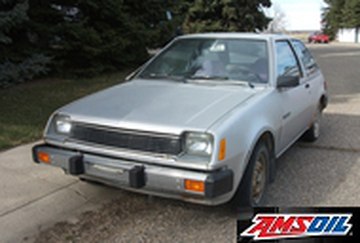
Maintaining Lubrication Standards for the 1981 Dodge COLT 1.4L
Proper engine maintenance is a cornerstone of long-term vehicle health, particularly when managing an older vehicle like the 1981 Dodge COLT with its 1.4L engine. While modern vehicles often feature automated monitoring systems, maintaining an older engine requires a more hands-on approach to lubrication and routine inspections. By focusing on consistent fluid management and attentive observation, owners can better manage the mechanical integrity of their vehicle over time.Monitoring Fluid Integrity and Potential Leaks
One of the most effective ways to monitor the health of the 1.4L engine is through regular visual inspections for fluid loss. Over years of operation, various seals and gaskets may undergo changes in their ability to maintain a tight seal. It is useful to periodically inspect the area around the engine for any signs of seepage or active leaks. When performing these checks, look for wetness or dark staining on engine components and surrounding surfaces. If you notice fresh fluid accumulating in the engine bay, it warrants further investigation to identify the source. Additionally, checking the level of the lubricant using the appropriate dipstick method is a fundamental task. Any unexpected drop in fluid levels between service intervals should be noted, as this can indicate that the engine is consuming more lubricant than usual or that an external leak is present. Beyond the oil itself, inspecting other connected systems can provide a broader picture of the vehicle's condition. If equipped, checking the condition of hoses and ensuring they are not excessively soft, cracked, or bulging can prevent secondary issues. Similarly, if the vehicle utilizes various belts for accessory drives, inspecting them for signs of glazing, fraying, or cracking is a prudent preventive measure.Observing Changes in Engine Performance and Appearance
Maintaining an older engine involves being attuned to how it operates under different conditions. While symptoms do not always point to a single specific failure, certain changes can serve as indicators that the lubrication system or other mechanical components require attention. For instance, if you notice unusual mechanical noises during startup or while idling, this may be associated with changes in the lubrication film or the condition of internal components. Similarly, any change in the appearance of the exhaust—such as unexpected smoke—can be a sign that something is amiss within the combustion process or that lubricant is entering areas where it does not belong. It is also important to monitor for signs of overheating. If the engine temperature rises higher than usual, it could be related to various factors, including cooling system efficiency or the thermal properties of the lubricant currently in use. Because symptoms can have multiple underlying causes, any significant deviation from normal operation should be investigated by a professional to ensure an accurate diagnosis.Prioritizing Maintenance Through Condition-Based Care
As vehicles age, the strategy for maintenance often shifts from strictly following a calendar to focusing on the actual condition of the components. For a 1981 Dodge COLT, this means prioritizing tasks based on what is observed during routine inspections rather than making assumptions based solely on the vehicle's age. If you are managing a vehicle with an incomplete service history, establishing a maintenance baseline is a helpful first step. This involves performing a thorough inspection of all fluids, filters, and visible mechanical components to determine their current state. Once this baseline is established, you can better track changes over time. When deciding where to direct your attention and resources, address active concerns first. An active leak or a noticeable change in fluid color should take precedence over general preventive tasks. Keeping detailed records of every oil change, filter replacement, and observed repair is invaluable. These records allow you to identify patterns—such as how quickly a certain component is wearing or how often a specific fluid needs to be topped off—which leads to more informed decision-making regarding the vehicle's long-term care.The Role of High-Mileage Formulations
For engines that have seen significant service life, some owners consider different lubricant technologies. Some high-mileage oil formulations contain additives intended for use in aging engines. These specialized products often include seal-conditioning additives, which are designed to help maintain the flexibility of various gaskets and seals that may have become hardened over time. While these formulations can be a useful tool in a maintenance strategy, they are not a substitute for addressing mechanical failures or significant leaks. They are best viewed as a component of a broader preventive maintenance approach aimed at managing the natural aging processes of engine components.Effective Record Keeping for Long-Term Ownership
Consistent documentation is one of the most underrated aspects of vehicle ownership. For an older Dodge COLT, having a clear history of what has been serviced and when can prevent redundant work and help identify potential issues before they escalate. A well-maintained log should include:- The date and mileage of every oil and filter change.
- The specific type of lubricant used during each service.
- Details of any repairs or component replacements.
- Observations made during routine inspections, such as noted seepage or belt wear.